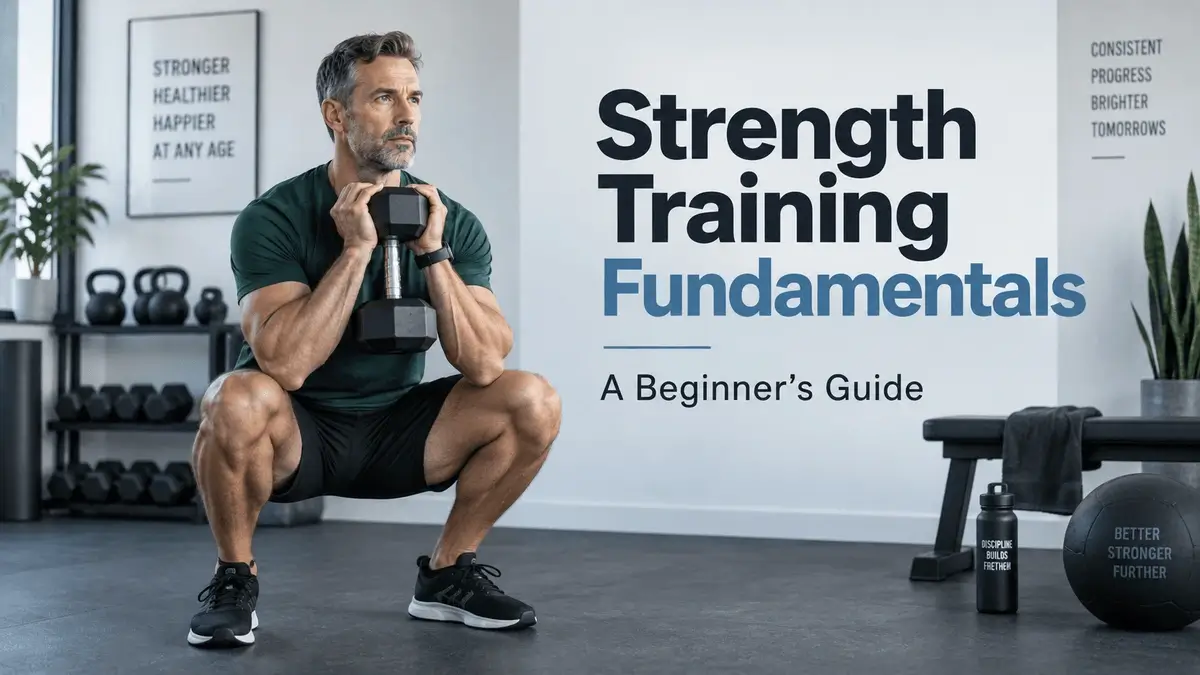
Mastering the Fundamentals of Strength Training

Learning about strength training gives you the power to tackle life’s hurdles. It helps build both your body and mind. By using weights and resistance bands, you can grow muscles, boost your fitness, and gain many benefits.

These benefits include better balance, flexibility, endurance, injury prevention, posture, and higher self-esteem. It also helps reduce stress and make you feel happier. This makes strength training a great way to exercise.

Knowing the basics of strength training is key to getting the most out of it. You need to know which muscles to work, how many reps to do, and what equipment to use. We’ll cover these topics in the next sections to help you start your fitness journey right.

Key Takeaways

  • Over 50 million Americans have integrated strength training into their exercise routines.
  • Almost 70% of adults do not meet the recommended guidelines for strength-training exercises each week.
  • Low reps (1-5) are primarily for strength gains.
  • Moderate reps (6-12) are ideal for hypertrophy (muscle growth).
  • High reps (12+) focus on muscular endurance.
  • Rest intervals vary based on training goals: longer rest for strength, moderate for hypertrophy, short for endurance.
  • Water is essential for overall health and aids in muscle recovery.

Introduction to Strength Training

strenght training 1

Strength training is key to a balanced fitness plan. It helps with muscle growth and boosts everyday abilities. Knowing the basics and benefits lets you make a workout plan that meets your goals.

What is Strength Training?

Strength training, or resistance training, makes muscles stronger and more durable. It uses weights, machines, or bands to challenge muscles. This type of exercise makes your body adapt, leading to more muscle, strength, and fitness.

Importance of Strength Training

Strength training is very important. It lowers the risk of breaking bones, makes bones denser, and speeds up metabolism. It also builds muscle, which is key for staying strong and fighting muscle loss as you age.

It also helps your mind, cutting down on anxiety, depression, and fatigue from cancer. Sadly, only about 30% of American adults do enough muscle-strengthening exercises. This shows we need more people to start strength training.

Beginners should aim for two to three sets of eight to 10 reps per exercise. Start at a moderate intensity and slowly increase as you get stronger.

  1. Spend 30 to 60 minutes a day, two times a week, on strength training.
  2. Always talk to a doctor before starting a strength-training program.
  3. Move from light to moderate intensity gradually for the best results.

Understanding the Principles of Strength Training

Learning the basics of strength training is key for anyone wanting to improve their workouts. Important ideas include progressive overload, making workouts personal, and being consistent. These ideas make sure each workout helps with muscle growth and fitness.

Progressive Overload

The idea of progressive overload is central to building strength. It means you increase the weight or reps over time to make your muscles adapt and grow. For example, if you can lift 160 pounds for one rep, you might use lighter weights for more reps or sets to reach your goals.

  • Strength training: 140 pounds, 2 sets of 5 reps, with 180 seconds of rest
  • Hypertrophy training: 120 pounds, 3 sets of 10 reps, with 60 seconds of rest
  • Strength endurance: 100 pounds, 3 sets of 15 reps, with 45 seconds of rest
  • Power training: 90 pounds, 3 sets of 8 reps, with 120 seconds of rest

Increasing weights or reps helps keep your muscles challenged. This leads to muscle growth and better endurance.

Individualization

Everyone is different, so training should match your unique needs and goals. This means considering your preferences, fitness level, and body type. Personalized training helps you get the best results and lowers injury risk. Beginners might start with lighter weights, while more experienced lifters use heavier weights for fewer reps.

Consistency

Being consistent is key to seeing long-term results. Following a structured workout plan is part of the strength training foundations. This means sticking to a regular schedule, balancing the intensity of your workouts, and making time for rest. Being consistent helps with muscle growth, endurance, and strength over time. Adding progressive overload and personalization makes each workout effective.

Following these principles—progressive overload, personalization, and consistency—sets a strong base for strength training. These ideas are vital for a safe, effective fitness plan that supports muscle growth and overall health.

The Fundamentals of Strength Training

Strength training combines traditional weightlifting with new methods like HIIT and circuit training. These methods boost muscle strength, endurance, and fat burn. Over 50 million people in the U.S. do strength training, showing its popularity and easy access.

Learning about resistance training is key to getting the best results. You can use bodyweight, free weights, or machines. Working with certified trainers at VASA gyms helps create fitness plans that fit your goals and level.

VASA gyms are great for beginners because they offer safe machines. Free weights are perfect for moves like goblet squats and dumbbell shoulder presses because they’re versatile.

To make progress, follow structured programs with exercises like pushes, pulls, and squats. The US National Strength and Conditioning Association suggests using a certain number of reps based on your one repetition maximum (1RM). For example:

% of 1RMReps
100% 1RM1
85% 1RM6
67% 1RM12
65% 1RM15
60% 1RM0 (warm-up)

Start with 8 to 12 reps for 2 to 4 sets, resting 30 to 90 seconds between sets. Begin with one to two strength training days a week, then add more as you get better. It’s important to increase the reps or weight over time to keep making progress.

Resting well after workouts is crucial for muscle repair and growth. The American College of Sports Medicine says to rest between workouts to avoid injury. Start with light loads and fast speeds, resting 2-3 minutes between sets for power training.

Benefits of Strength Training

Strength training has many benefits for both your body and mind. It helps build stronger muscles and improves flexibility. It also boosts your metabolism and helps you burn more calories.

Physical Health Improvements

Strength training is key for better physical health. Studies show that adults over 60 who exercised had a 34% drop in falls. Another study found that strength training cut injury risk by 33%, with a 4% drop for every 10% more training.

It can also lower blood pressure and cholesterol levels. Plus, it improves blood flow. A study on 35,754 women over 10 years found strength training cut type 2 diabetes risk by 30%.

Weight-bearing exercises in strength training make bones stronger. This reduces the risk of osteoporosis and fractures. To get the most benefits, work out two to three times a week. Learn more about effective workouts here.

Mental Health Benefits

Strength training also boosts mental health. It helps reduce stress and improve mood, making you more emotionally resilient. A review of 754 adults found a strong link between strength training and a positive body image.

It also increases self-esteem and confidence, especially in young people aged 10-16. Regular strength training can greatly improve your life quality. It’s a key part of a complete fitness plan.

Basic Strength Training Techniques for Beginners

Starting your strength training journey? It’s crucial to learn the basics first. This guide will walk you through key compound movements and isolation exercises. These will help you build a strong foundation for your fitness journey. Remember, being consistent, moving forward slowly, and keeping proper form are vital for success. Think about the gear you use, like bodyweight, dumbbells, kettlebells, and machines, for effectiveness and ease.

Compound Movements

Compound movements work out many muscles at once. They’re essential for beginners because they build strength quickly and improve muscle coordination. Examples include squats, deadlifts, and bench presses. Barbell training is great for these exercises, letting you lift heavy safely and increase strength as you get fitter.

TypeEquipmentBenefits
SquatsBarbell, DumbbellsTargets legs, glutes, core
DeadliftsBarbell, DumbbellsWorks back, legs, core
Bench PressBarbell, DumbbellsEngages chest, shoulders, triceps

Isolation Exercises

Isolation exercises are just as crucial as compound movements. They focus on one muscle at a time, helping you strengthen it specifically. Think bicep curls, tricep extensions, and leg curls. Dumbbells are perfect for these, making it easy to add weight and spot muscle imbalances. Start with light weights, then slowly increase them by 2% to 10% as you get stronger.

ExerciseTarget MuscleEquipment
Bicep CurlsBicepsDumbbells
Tricep ExtensionsTricepsDumbbells
Leg CurlsHamstringsMachine

Combining compound and isolation exercises in your routine will hit all major muscle groups. Aim to train at least two times a week for strength and better body coordination. This approach boosts your muscle strength and overall body function.

Choosing the Right Equipment

gym equipment

Getting the right equipment is key for good strength training. The right tools can greatly improve your workouts and progress. We’ll look into the must-have equipment and the debate between a home gym and a commercial gym.

Essential Equipment

Starting with the basics is important when building your home gym. You’ll need:

  • Weight Bench: Great for many exercises and a must for strength training.
  • Barbells and Dumbbells: These are the building blocks for exercises like squats, presses, and rows.
  • Resistance Bands: Perfect for warm-ups, mobility, and adding to your lifts.
  • Weightlifting Shoes: With a heel height of 0.6 to 1.3 inches, they help with stability in lifts like squats.
  • Weightlifting Gloves: Made from leather or synthetic materials, they improve grip and last longer.
  • Weightlifting Chalk and Belts: Chalk helps with grip, and belts support you during heavy lifts.

Home Gym vs. Commercial Gym

Choosing between a home gym and a commercial gym depends on several things:

FactorsHome GymCommercial Gym
Cost EffectivenessInitial cost on home gym gear Cost-effective over time Chance to buy used equipment onlineMonthly or yearly membership fees Access to high-end gym equipment without a big upfront cost
ConvenienceWork out anytime No need to commuteLonger hours but not always 24/7 Waiting for equipment might happen
Space and EquipmentDepends on home space Limited by budget and space for strength training gearWide range of gym equipment to choose from More options for a complete workout

Your decision between a home gym and a commercial gym depends on your goals, budget, and space. Both options have their benefits, so think about what fits your needs and likes best.

Common Mistakes to Avoid

When starting strength training, it’s important to avoid common mistakes. Newcomers often forget the importance of warm-ups, which help prevent injuries. They also might overtrain, leading to burnout or injury. It’s crucial to balance how hard you work out with enough rest for long-term success.

Skipping Warm-ups

One big mistake is skipping warm-up routines. Warm-ups are key to avoiding injuries. They boost blood flow to muscles, increase flexibility, and get your body ready for hard workouts. Simple actions like dynamic stretches or light cardio can make a big difference.

Warm-ups should focus on big muscle groups like arms, shoulders, chest, back, legs, glutes, and abdomen. Adding warm-up routines to your workout helps muscles line up right and keeps exercises safe.

Overtraining

Another mistake is overtraining. It’s key to avoid overtraining to stay performing well and stay healthy. Overtraining makes you tired, lowers your performance, and increases injury risk. Pay attention to your body and make sure to rest.

To avoid overtraining, balance your weightlifting program. This means changing the type of lift, the weight, and the number of reps and sets. For example:

VariableDescription
Type of LiftCompound exercises, Isolation exercises
Weight AmountModerate to heavy, adjusted per individual
Reps per SetTypically 8-12 for muscle building
Sets per Exercise3-5 sets depending on the workout phase
Rest Between Sets1-2 minutes for moderate to heavy lifts
Rest Between Training Days1-2 days for the same muscle group
By following structured and varied routines, you can get the most out of strength training. This approach helps avoid risks and stops overtraining.

Creating a Strength Training Routine

Starting a strength training routine means setting clear goals and planning your workouts. It’s important to make these plans fit your own abilities and goals. Adjusting your routine as you go helps you reach your fitness goals.

Setting Goals

First, decide what you want to achieve with your strength training. Goals can be to get healthier, build muscle, lose weight, or improve your powerlifting skills. A 2019 study found that strength training helps older adults improve balance, increase bone density, and boost brain health.

Structuring Your Workouts

How you organize your workouts is key to making progress. Include exercises like squats and push-ups to work many muscles at once. Research shows that training twice a week can greatly increase muscle mass.

Here are important things to think about for your workout plan:

  • Volume: The total amount of exercise you do (weight x reps x sets) matters more than how often you work out for growth.
  • Frequency: Start with 2 full-body workouts a week and add more as you get stronger.
  • Intensity: Use the Rate of Perceived Exertion (RPE) to check how hard your workouts are.
  • Equipment: You’ll need adjustable dumbbells, resistance bands, barbells, and kettlebells.
  • Recovery: Rest for 48-72 hours between workouts that target the same muscles.

Creating a good strength training plan requires careful goal setting and a well-thought-out routine. By focusing on your personal goals and a structured approach, you can start a rewarding fitness journey.

Tracking Progress and Adjusting Your Plan

Keeping up with a strength training plan means tracking workouts and being ready to adjust. Writing down your workouts helps spot trends and areas to improve. This guides you in making changes to your exercise plan.

training plan 2

Importance of Tracking

It’s key for both new and experienced lifters to track their progress. Keeping track of training volume, intensity, and other details gives you a full picture. Tools like fitness journals and trackers offer real-time insights into your activity and health.

Checking your body measurements regularly is important for steady progress. Doing fitness tests every eight weeks helps you adjust your routine. Checking your fitness goals every 4-6 weeks keeps you motivated.

Click here to learn moreabout the benefits of good sleep for your fitness journey

When to Adjust Your Routine

Need to change your routine when you hit a plateau or feel burnt out. Changing exercises and how you do them helps avoid boredom and keeps progress. Adjusting your goals and exercise based on your fitness level is key.

Looking at your workout logs and celebrating your achievements can boost your motivation. Setting realistic goals and rewarding yourself can help keep you on track. Using fitness apps and devices lets you make changes quickly, helping you keep up with your fitness goals.

Fitness ComponentFrequencyIntensityDuration
Cardio Exercise3-5 days/weekModerate to intense30-60 minutes/session
Strength Training2-3 days/weekHigh repetitions for beginners, heavy weights for building strengthVaries, total body sessions may exceed one hour

Adapting your training based on your workout logs keeps you committed to fitness. Adjusting your routine on time and staying motivated helps you reach your fitness goals.

Final Thoughts

Starting a strength training journey is more than a short-term plan. It’s a path to better physical and mental health for the long run. By following key principles like progressive overload, tailoring workouts to your needs, and being consistent, you set yourself up for success. This approach helps you meet your fitness goals and keep improving, making you healthier overall.

The basics of strength training are backed by solid science. The U.S. Department of Health and Human Services says kids and teens should do strength training three times a week, for 60 minutes each session. Adults should aim for muscle-strengthening workouts twice a week, focusing on all major muscle groups. These guidelines highlight how important it is to make strength training a regular part of your life for the best health outcomes.

Studies keep showing how valuable strength training is. For instance, a 2017 study found that two weekly sessions of high-intensity workouts boosted the health of postmenopausal women. Mixing strength training with cardio exercises also helps more with heart disease recovery than cardio alone. By sticking to the best training methods—mastering techniques, gradually increasing difficulty, and being consistent—you’ll keep making progress in your strength journey.

Success in strength training comes from using the right techniques, choosing the right gear, and adjusting your routine as needed. Whether you’re at a home gym or a commercial one, sticking to these principles will greatly improve your fitness and health. Remember, it’s not just about lifting weights; it’s about improving your life.

FAQ

What is Strength Training?

Strength training, also known as resistance training, focuses on building muscle strength and endurance. It uses weights, resistance bands, or bodyweight exercises to challenge muscles.

Why is Strength Training Important?

It’s key for muscle growth, balance, flexibility, and endurance. It also prevents injuries and boosts posture, self-esteem, and mood.

What is Progressive Overload?

Progressive overload means slowly increasing the weight or resistance to make muscles grow and adapt.

How is Individualization Important in Strength Training?

It makes workouts fit your fitness goals, abilities, and needs. This makes them more effective and safe.

What are Compound Movements?

Compound movements work many muscles at once, like squats and deadlifts. They improve strength and coordination.

What Are Isolation Exercises?

Isolation exercises focus on specific muscles to improve tone and balance. Examples include bicep curls and calf raises.

What Equipment is Essential for Strength Training?

You need a weight bench, barbells, dumbbells, and resistance bands. These support a variety of exercises.

Should I Choose a Home Gym or a Commercial Gym?

The choice depends on your goals, budget, and space. Both have benefits and drawbacks.

What are Common Mistakes to Avoid in Strength Training?

Avoid skipping warm-ups and overtraining. These can lead to injury. It’s important to balance exercise with rest for long-term success.

How Do I Set Goals for Strength Training?

Set specific, measurable, achievable, relevant, and time-bound goals. Align them with your fitness aspirations and track your progress.

How Should I Structure My Workouts?

Plan your workouts with a mix of compound and isolation exercises. Include rest days and increase intensity over time for balanced muscle growth.

Why is Tracking Progress Important?

Tracking progress helps spot trends and areas to improve. It guides adjustments to your exercise plan for ongoing growth.

When Should I Adjust My Strength Training Routine?

Adjust your routine if you hit plateaus, feel too tired, or don’t see results. Making changes keeps workouts effective and in line with your fitness goals.