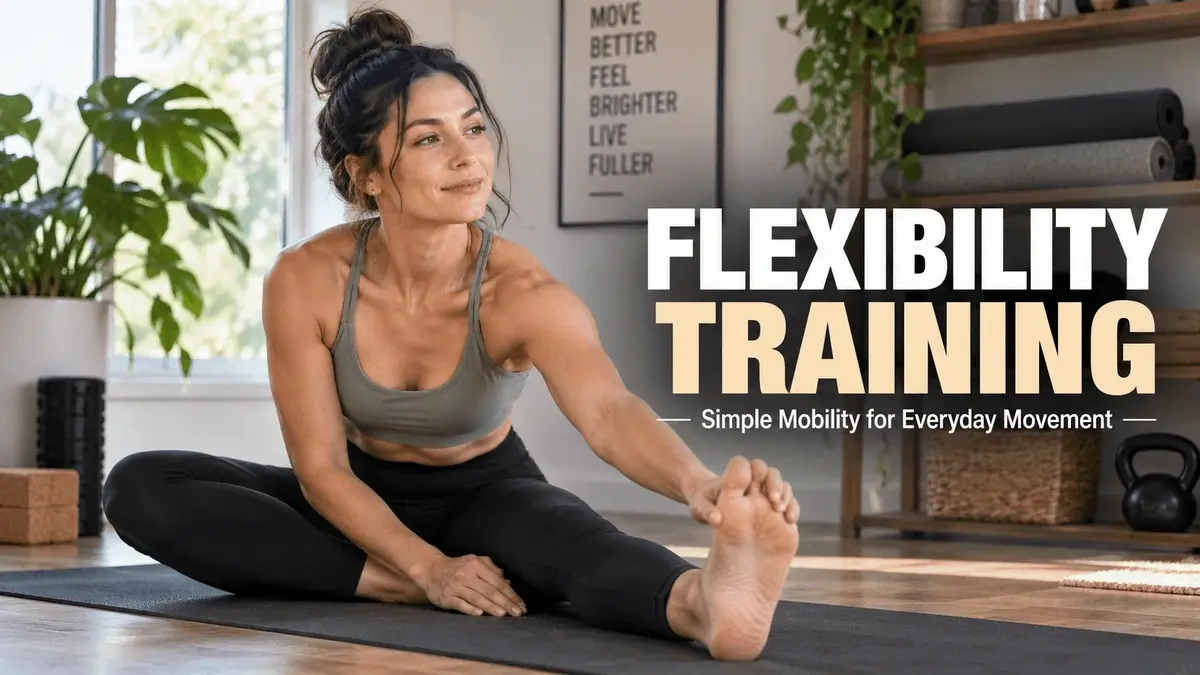
Discover 6 Benefits of Body Flexibility Today!

Have you ever thought about the body flexibility advantages from stretching regularly? I’m here to show you the health benefits of flexibility. It’s a key part of staying well that many overlook. Start your flexibility journey to improve your health and make your daily life better. Let’s look at why adding flexibility exercises is good for your body.

Picture moving easily through your day, feeling less pain, and staying calm. With flexibility training, this could be your new life. I encourage you to learn more and see how it changes your life. Check out the full list of flexibility benefits waiting for you.

Key Takeaways

  • Unlocking expansive body flexibility advantages for a vibrant lifestyle.
  • Exploring the health benefits of flexibility through easy-to-adopt practices.
  • Enhancing your physical capabilities with professional flexibility training.
  • Reducing pain and stress for a more balanced and pleasant daily experience.
  • Joining a movement that prioritizes all-around wellness for long-term health.

Introduction to Flexibility and Its Importance

Flexibility in fitness is more than just a bonus. It’s essential for everyone, not just athletes or dancers. It’s key to staying healthy and feeling good.

I’ve learned how crucial it is to have flexible muscles and joints. They make moving easier and more comfortable every day. Flexibility helps with posture, lowers injury risk, and makes moving pain-free.

Think of your body as a network of links. If you don’t keep it flexible, it can get stiff and hard to move. That’s why flexibility in fitness is important. It keeps your body healthy and helps blood and nutrients flow well.

Make sure to add flexibility exercises to your fitness plan. It will improve how you move and make everyday tasks easier. That’s why flexibility matters. It opens up a life full of ease and freedom from physical limits.

What is Body Flexibility?

Body Flexibility

Exploring body flexibility shows it’s more than just stretching. It’s key to overall fitness, touching on muscles and joints. It’s vital for our daily moves and sports skills.

The Science Behind Flexibility

Flexibility science tells us it’s about muscles’ stretchiness and joints moving fully. Factors like muscle length, joint structure, and connective tissue help with this. Knowing this shows how important flexibility is for daily tasks and staying healthy.

Types of Flexibility: Static vs Dynamic

There are two main types of flexibility: static and dynamic. Static is about holding a stretch at the end of a muscle’s range, helping with mobility and posture. Dynamic is for quick stretches and contractions, key in sports and active life. This helps us see how flexibility impacts different activities.

The 6 Benefits of Body Flexibility

Flexibility is key to our overall well-being. It offers many benefits, both physical and mental. I’ve seen how it can change your life by making you more flexible.

Being flexible means you move better and are less likely to get hurt. It makes everyday tasks easier and safer. You can bend down to tie your shoes or reach high shelves without straining.

It also helps you stand up straight and balance better. This is good for your back and reduces muscle and joint pain. Plus, it helps you relax and think clearly, which is great for today’s busy life.

Flexibility means your blood flows better, bringing oxygen and nutrients to your muscles. This helps you recover faster and stay healthy. It also helps prevent injuries during exercise or daily activities.

Let’s look at each benefit more closely. The link between flexibility and a better life is clear. It motivates us to keep practicing and encourages others to start too. Flexibility is essential for a healthy lifestyle.

#1. Improves Physical Performance

Flexibility is key in sports, boosting athletic performance. I’ve seen how adding flexibility workouts helps athletes in many sports. It makes skills better and helps during games.

Looking into elite athletes’ training, I found strong evidence on flexibility’s benefits. A flexible body moves better and uses less energy, key in competitions. Coaches often stress stretching’s importance.

For those interested in stretching, check out this Mayo Clinic guide. It’s very helpful.

Flexibility isn’t just for pros. Even casual athletes see big gains by adding flexibility exercises. Better agility and muscle coordination from flexibility cuts down on injuries. This directly improves athletic performance. So, regular flexibility exercises boost your performance and fun in sports.

#2. Enhances Daily Functioning

Adding more flexibility training to my routine has greatly improved my daily life. The daily benefits of flexibility are huge, not just for fitness. They make every move easier and less hard.

Easing Day-to-Day Movements

Improved flexibility has made moving around easier. Now, tying my shoes or reaching high shelves is smooth and easy. This makes everyday tasks simpler and safer, cutting down the chance of getting hurt.

Flexibility for Injury Prevention

Flexibility also helps prevent injuries. It lets my body handle sudden moves and stress better. This injury prevention through flexibility is key. It keeps me active and doing what I love without stopping.

#3. Reduces Risk of Injury

Staying active is important to me, and I know how key flexibility is in avoiding injuries. Keeping muscles healthy and flexible helps me perform better and keeps my body safe from getting hurt.

How Flexibility Contributes to Muscle Health

Flexibility is key for muscle health. It stretches muscles, preventing strains and tears. By stretching regularly, I’ve made my muscles stronger and more resilient. This keeps them ready for any physical activity and lowers the chance of getting hurt.

The Role of Flexibility in Joint Safety

Keeping joints safe is vital when you’re active. Flexibility makes sure joints move fully, easing stress on them. This helps prevent arthritis and joint pain, which can come from stiff joints. So, focusing on flexibility is key for healthy muscles and safe joints.

#4. Promotes Better Posture and Balance

As a writer, I’ve spent many hours at a desk. I’ve seen how good posture and balance improve with regular flexibility training. This journey and research showed me how flexibility affects balance and posture, which boosts overall health and wellbeing.

Flexibility training helps fix body imbalances often missed. It made my spinal alignment better, leading to better posture improvement. These changes help in all physical activities, making me more stable and reducing the risk of falls and injuries.

Flexible muscles hold less tension, making it easier to keep a good posture. This not only feels great but also boosts my energy by improving blood flow and easing skeletal strain. It’s key for anyone into physical activities or wanting to improve their daily life with posture improvement.

I suggest adding flexibility exercises to your routine. They’re not just for better physical skills but also for strong, lasting health. The link between good posture, balance, and flexibility shows these are key for standing tall and confident at all life stages.

#5. Stress Relief and Relaxation Benefits

I’ve been on a quest to find the best ways to handle stress. I discovered that doing yoga helps a lot with relaxation through stretching. These exercises are gentle but powerful. They can make you feel better mentally and cut down on stress.

The Link Between Flexibility and Stress Reduction

Stretching routines show a clear link to flexibility for stress relief. When you get more flexible, your body feels less tense. You also get better at dealing with stress. This is supported by science. The more flexible I am, the easier I can handle life’s ups and downs.

Mind-Body Connection: Yoga and Flexibility

Learning about Yoga benefits for flexibility changed me, and it could change you too. Yoga is more than just stretching. It helps you connect deeply with yourself. Yoga’s impact on mental health is huge. Yoga poses that make you more flexible also make you feel calm and present. This is very good for your mind.

#6. Improves Blood Circulation

Improves Blood Circulation

Adding flexibility training to my daily routine has greatly improved my health, especially my circulation. By looking into flexibility training circulation benefits, I found that it boosts blood flow. This is key for getting oxygen and nutrients to my muscles and organs.

Flexibility Exercises that Boost Circulation

Dynamic stretches are among the best exercises for better circulation. They make my body move and increase blood flow. Doing these stretches regularly has made my muscles less stiff and I feel more alive all day.

Impact of Enhanced Circulation on Overall Health

A strong circulatory system brings many health benefits of good circulation. It boosts my energy, helps me recover faster from muscle soreness, and removes toxins better. This overall boost in circulation makes sure all my systems work well together.

Conclusion

Throughout this article, we’ve seen how important flexibility training is for us. It helps with daily tasks, lowers injury risk, and boosts posture, balance, and circulation. I aimed to show you why adding flexibility training to your fitness routine is a good idea.

Flexibility training is key to a balanced health and fitness plan. It’s as important as heart health and muscle strength. It’s not just for athletes or the active; it’s for everyone, no matter your age or fitness level. It helps both your body and mind.

Think about how flexibility can change your life for the better. Try to improve your flexibility by doing stretches and exercises. Remember, getting flexible is an ongoing journey that keeps getting better. Start adding flexibility training to your life to enjoy all its benefits.

FAQ

What exactly is body flexibility?

Body flexibility means how well your joints move. It’s about how stretchy your muscles are and how easily your joints move. This helps you move better in daily life and during sports.

Why is flexibility important in fitness?

Flexibility boosts your performance in sports and lowers injury risks. It keeps your posture and balance right and helps with muscle coordination. It’s key to being fit, along with strength, endurance, and heart health.

Can flexibility training help improve my athletic abilities?

Yes! Flexibility training boosts your athletic skills. It lets your muscles and joints move freely. This means you can move better, with more precision, and less chance of getting hurt.

What are the day-to-day benefits of being flexible?

Being flexible makes daily tasks easier, like reaching high shelves or bending to tie your shoes. It makes moving around smoother and reduces muscle tightness and discomfort.

How does body flexibility contribute to injury prevention?

Flexibility gets your body ready to handle sudden forces and spreads stress evenly. This helps prevent injuries, both sudden and chronic, like strains and tendonitis.

In what ways can flexibility promote better posture and balance?

Flexibility helps keep your joints and bones aligned for a natural posture. It stops muscle imbalances that cause bad posture. Plus, it helps with balance by improving how you sense your body’s position.

Can improving my flexibility help with stress relief?

Yes, exercises like stretching and yoga increase flexibility and reduce stress. They release muscle tension, calm your mind, and help you feel mentally and physically relaxed.

Does increased flexibility affect my blood circulation?

Flexibility exercises boost blood flow to your muscles. This means better oxygen and nutrient delivery and waste removal. It leads to better health and energy levels.