The world of superfoods is a great way to get more nutrients naturally. These foods are full of vitamins, minerals, antioxidants, and phytochemicals. They can make you healthier and give you more energy. Learn about the 15 superfoods that boost your immunity, help with weight management, and feed your body well.
Key Takeaways
- Superfoods are packed with essential nutrients and offer many health benefits.
- Adding superfoods to your diet can make your immune system stronger, help with weight loss, and improve your overall health.
- You can easily add superfoods like berries, leafy greens, and omega-rich fish to your daily meals.
- Superfoods are a natural way to improve your health and increase your vitality.
- Find out about the 15 most powerful superfoods and how they can change your life.
What Are Superfoods?
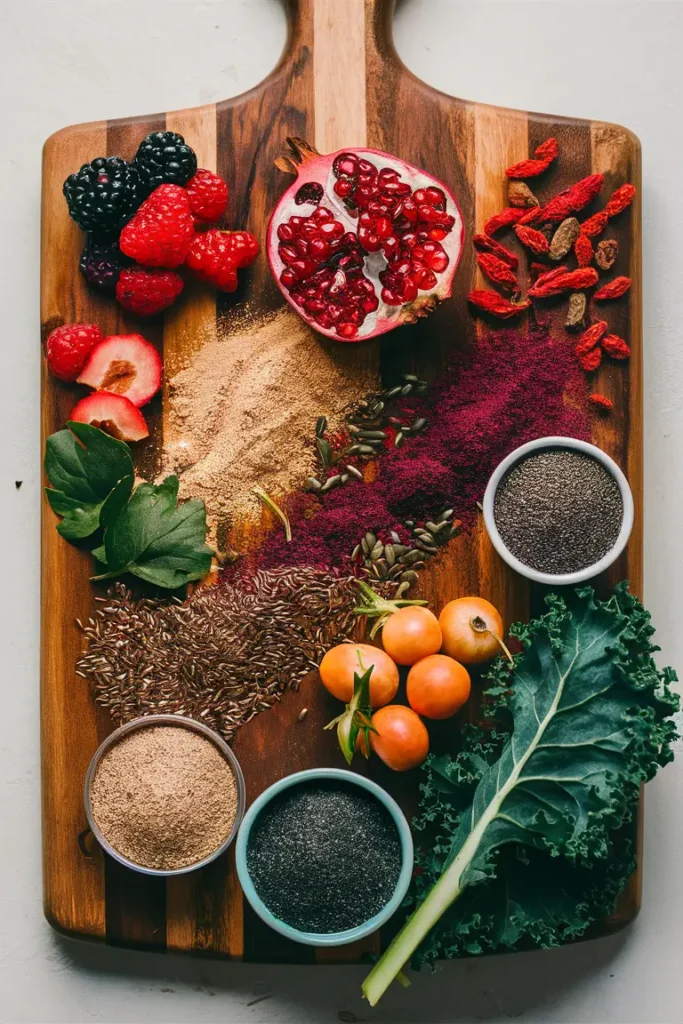
The term “superfood” has become popular lately. It describes foods that are full of nutrients and offer great health benefits. These foods are natural and whole, loaded with vitamins, minerals, antioxidants, and more. They are known for improving health, boosting the immune system, and helping with weight management.
Superfoods include a variety of foods like leafy greens, cruciferous vegetables, berries, nuts, seeds, and fatty fish. Each superfood has its own special nutrients, making them great for a healthy diet. For example, watercress is packed with vitamin K, while Chinese cabbage is low in calories but high in nutrition.
The final list of superfoods includes many non-starchy vegetables. These are great for those on a Nutrisystem diet. They provide important nutrients and help you feel full, supporting your health and wellness.
15 Superfoods to Incorporate into Your Diet
1. Blueberries
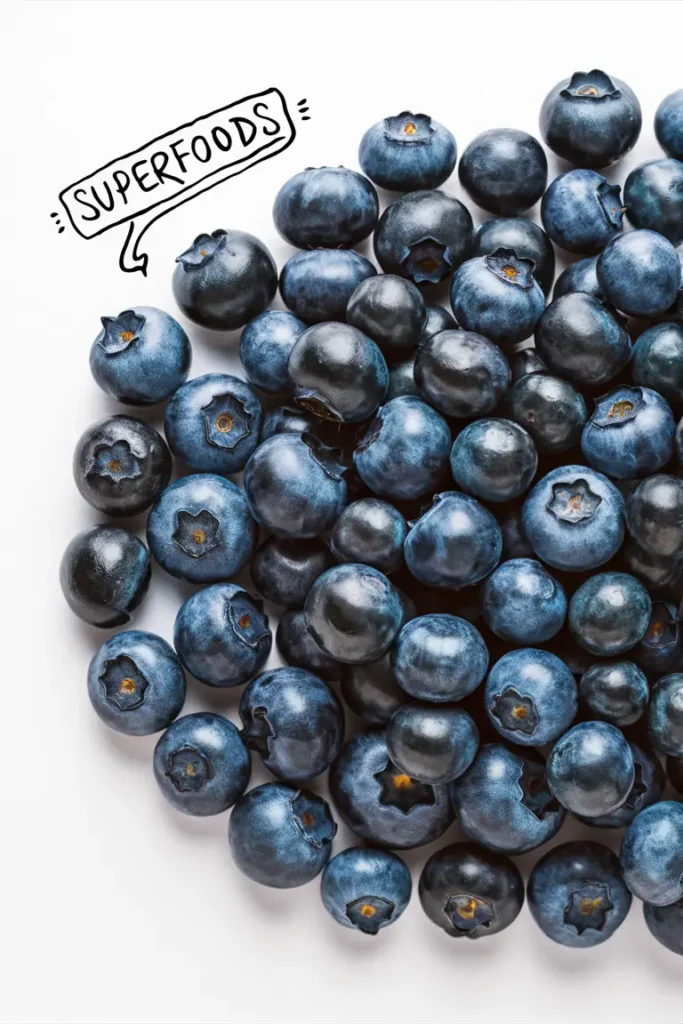
Blueberries are often referred to as a “superfruit” due to their high antioxidant content. These small, vibrant berries are rich in vitamins C and K, as well as fiber. The antioxidants in blueberries, particularly anthocyanins, help protect the body from oxidative stress and inflammation. Studies have shown that regular consumption of blueberries can improve brain health, enhance memory, and reduce the risk of chronic diseases such as heart disease and cancer. Add them to your morning cereal, yogurt, or smoothies for a nutritious boost.
2. Kale
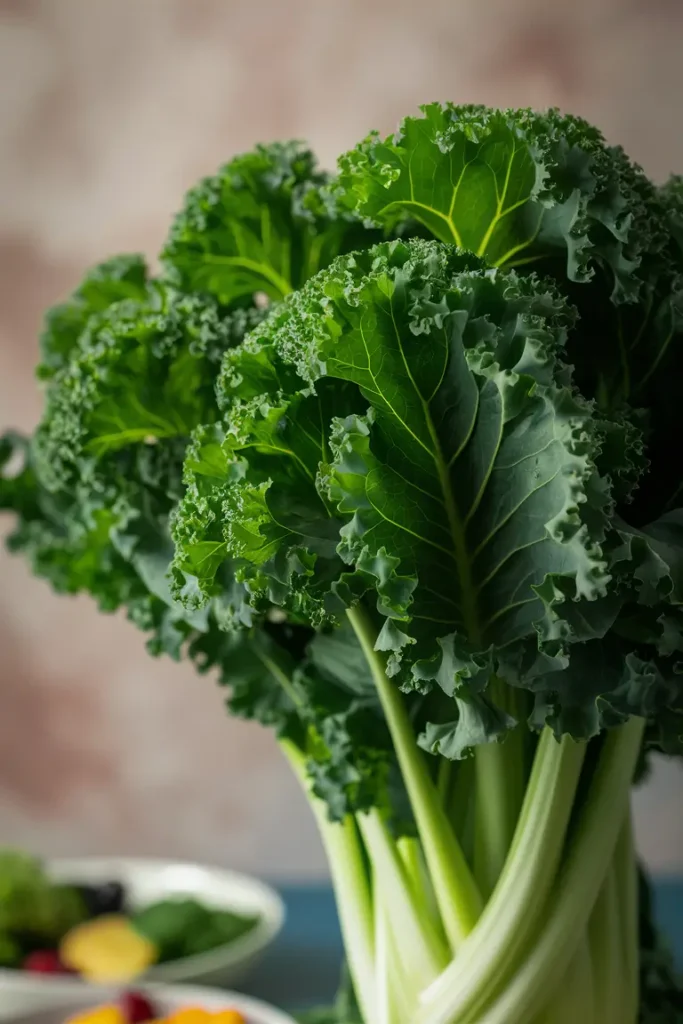
Kale is a leafy green vegetable that has gained popularity as a superfood in recent years. It is loaded with vitamins A, C, and K, as well as calcium, iron, and fiber. The high antioxidant content in kale helps fight inflammation and supports a healthy immune system. Additionally, kale is known for its potential to lower cholesterol levels and support heart health. Enjoy kale in salads, smoothies, or lightly sautéed as a side dish.
3. Salmon
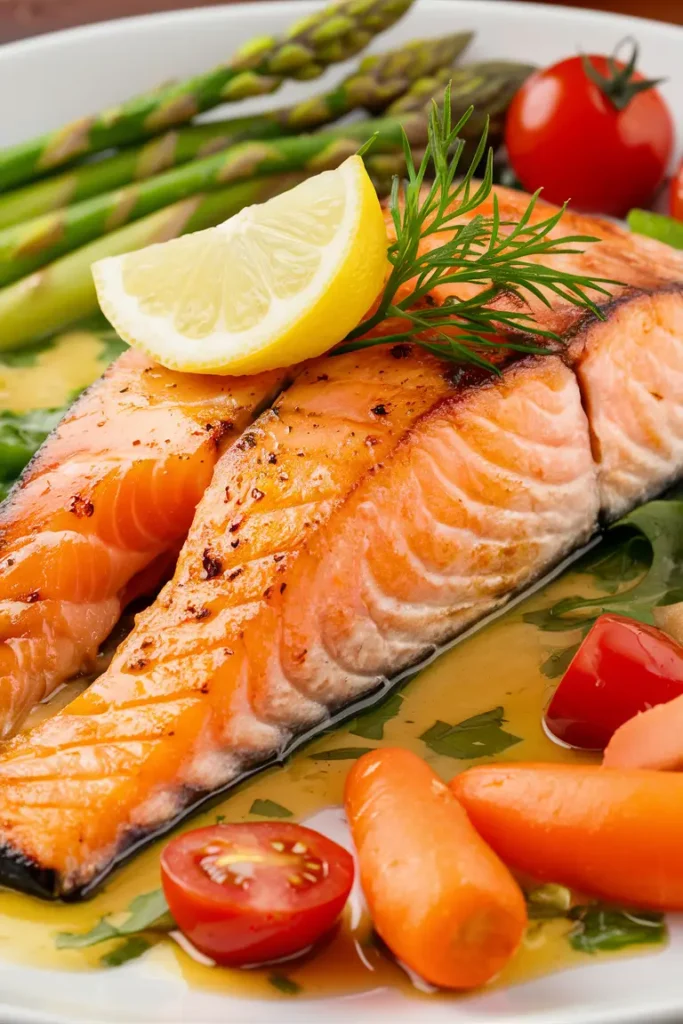
Salmon is an excellent source of omega-3 fatty acids, which are essential for brain health and reducing inflammation in the body. These healthy fats also support heart health by lowering blood pressure and reducing the risk of heart disease. Salmon is also rich in high-quality protein, vitamins D and B12, and selenium. Including salmon in your diet a couple of times a week can provide numerous health benefits. Grill, bake, or pan-sear salmon for a delicious and nutritious meal.
4. Avocado
Avocados are creamy and delicious, and they are packed with healthy monounsaturated fats that are good for your heart. They also contain fiber, potassium, and vitamins C, K, and E. The healthy fats in avocados help reduce bad cholesterol levels and support overall cardiovascular health. Additionally, avocados are rich in antioxidants, which can help protect your cells from damage. Spread avocado on toast, add it to salads, or use it as a topping for your favorite dishes.
5. Quinoa
Quinoa is a versatile grain that is considered a complete protein, meaning it contains all nine essential amino acids. It is also high in fiber, iron, magnesium, and manganese. Quinoa is gluten-free and easy to digest, making it an excellent choice for those with dietary restrictions. It supports healthy digestion, helps regulate blood sugar levels, and provides sustained energy. Use quinoa as a base for salads, bowls, or as a side dish to complement your meals.
6. Chia Seeds
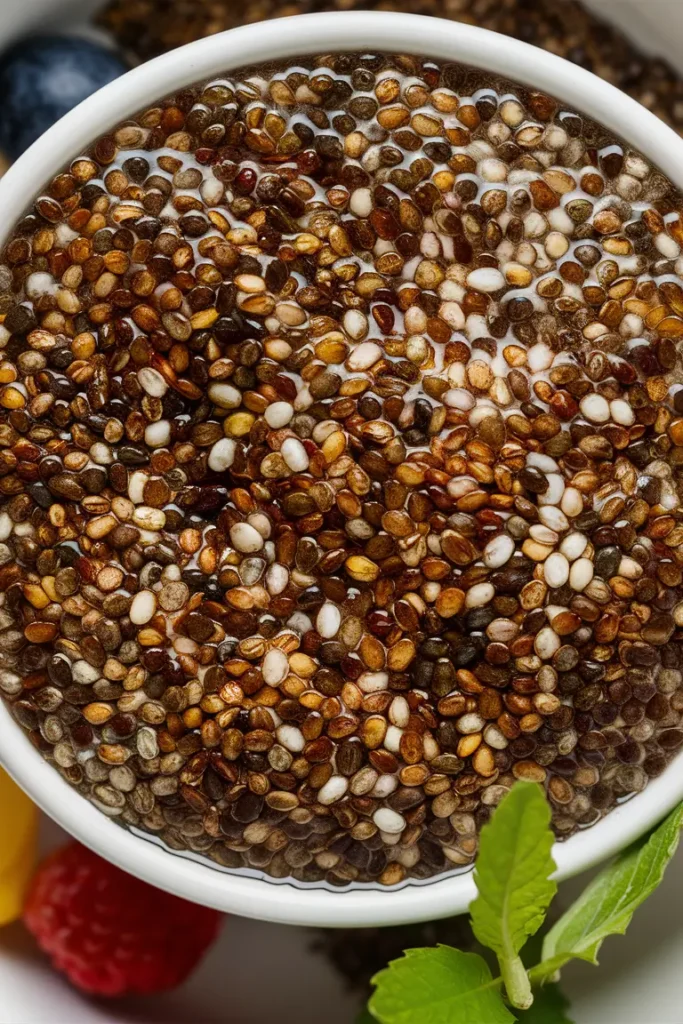
Chia seeds are tiny nutritional powerhouses packed with omega-3 fatty acids, fiber, and protein. They also provide essential minerals like calcium, magnesium, and phosphorus, which support bone health. Chia seeds can absorb many times their weight in water, creating a gel-like texture that helps with hydration and digestion. Sprinkle chia seeds on yogurt, oatmeal, or blend them into smoothies for an added nutritional boost.
7. Sweet Potatoes
Sweet potatoes are rich in beta-carotene, which the body converts into vitamin A. This vitamin is crucial for vision, immune function, and skin health. Sweet potatoes also contain fiber, vitamin C, and potassium. Their natural sweetness makes them a versatile ingredient in both savory and sweet dishes. Bake, roast, or mash sweet potatoes for a nutritious side dish, or use them as a base for soups and stews.
8. Spinach
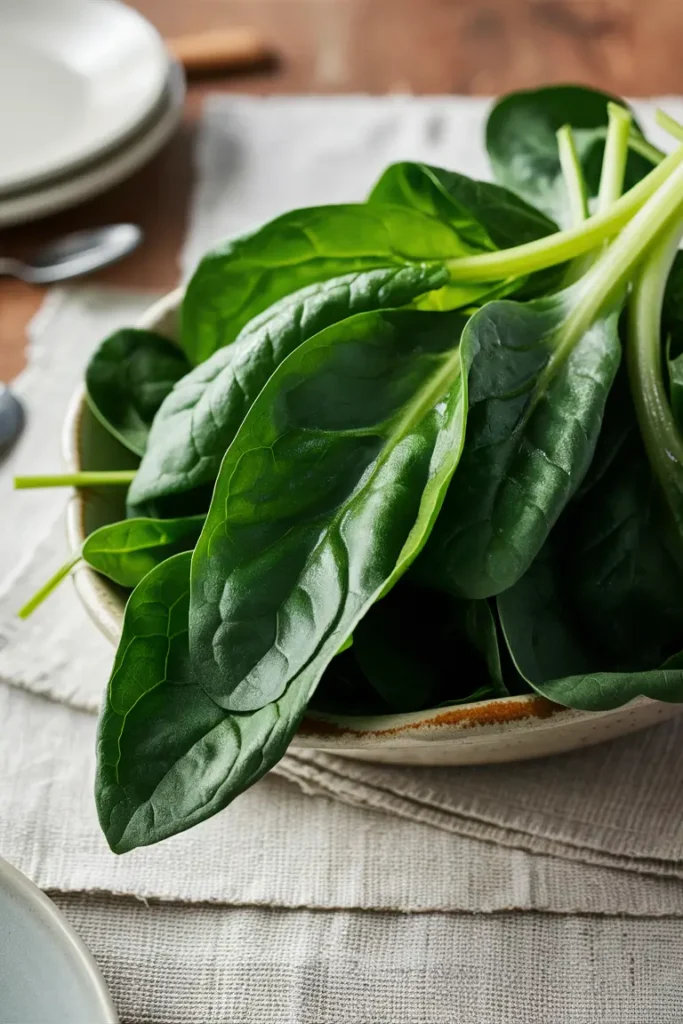
Spinach is a leafy green vegetable loaded with vitamins A, C, and K, as well as iron and calcium. It is great for boosting immunity, maintaining healthy skin, and supporting bone health. Spinach also contains antioxidants that help protect against oxidative stress and inflammation. Add spinach to salads, smoothies, or sauté it as a side dish for a nutrient-packed meal.
9. Nuts
Nuts, such as almonds, walnuts, and cashews, are high in healthy fats, protein, and fiber. They also provide essential vitamins and minerals like vitamin E, magnesium, and selenium. Nuts are known for their heart-healthy properties, as they can help lower bad cholesterol levels and reduce the risk of heart disease. Enjoy a handful of nuts as a snack, or add them to salads, yogurt, or oatmeal for added crunch and nutrition.
10. Greek Yogurt
Greek yogurt is a probiotic-rich food that supports gut health by promoting the growth of beneficial bacteria. It is also high in protein, calcium, and B vitamins, making it an excellent choice for a nutritious snack. Greek yogurt can help improve digestion, boost the immune system, and support bone health. Enjoy it plain, or add fresh fruit, honey, and nuts for a delicious and healthy treat.
11. Garlic
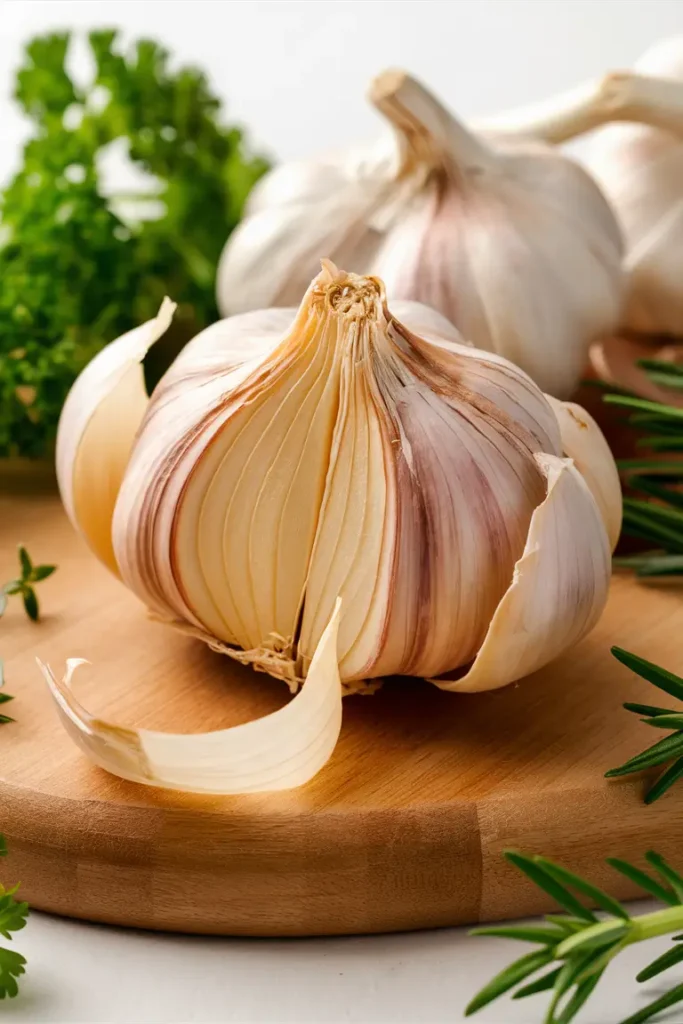
Garlic has been used for its medicinal properties for centuries. It is known for its ability to boost the immune system, reduce blood pressure, and lower cholesterol levels. Garlic contains compounds like allicin, which have potent anti-inflammatory and antioxidant effects. Incorporate garlic into your cooking by adding it to sauces, soups, stir-fries, and roasted vegetables for both flavor and health benefits.
12. Turmeric
Turmeric is a bright yellow spice commonly used in Indian cuisine. It contains curcumin, a compound with powerful anti-inflammatory and antioxidant properties. Turmeric is often used to support joint health, improve digestion, and reduce the risk of chronic diseases. Add turmeric to curries, soups, and smoothies, or enjoy it as a tea with a dash of black pepper to enhance its absorption.
13. Green Tea
Green tea is rich in antioxidants, particularly catechins, which help protect cells from damage. It also boosts metabolism, supports brain health, and may reduce the risk of certain cancers. Green tea contains less caffeine than coffee, making it a great alternative for those looking to reduce their caffeine intake. Enjoy a cup of green tea in the morning or afternoon for a refreshing and health-boosting beverage.
14. Dark Chocolate
Dark chocolate, with a high cocoa content, is rich in antioxidants and can improve heart health by lowering blood pressure and increasing blood flow. It also contains minerals like iron, magnesium, and zinc. Consuming dark chocolate in moderation can help reduce the risk of heart disease and improve brain function. Choose dark chocolate with at least 70% cocoa content for the most health benefits, and enjoy a small piece as a satisfying treat.
15. Beets
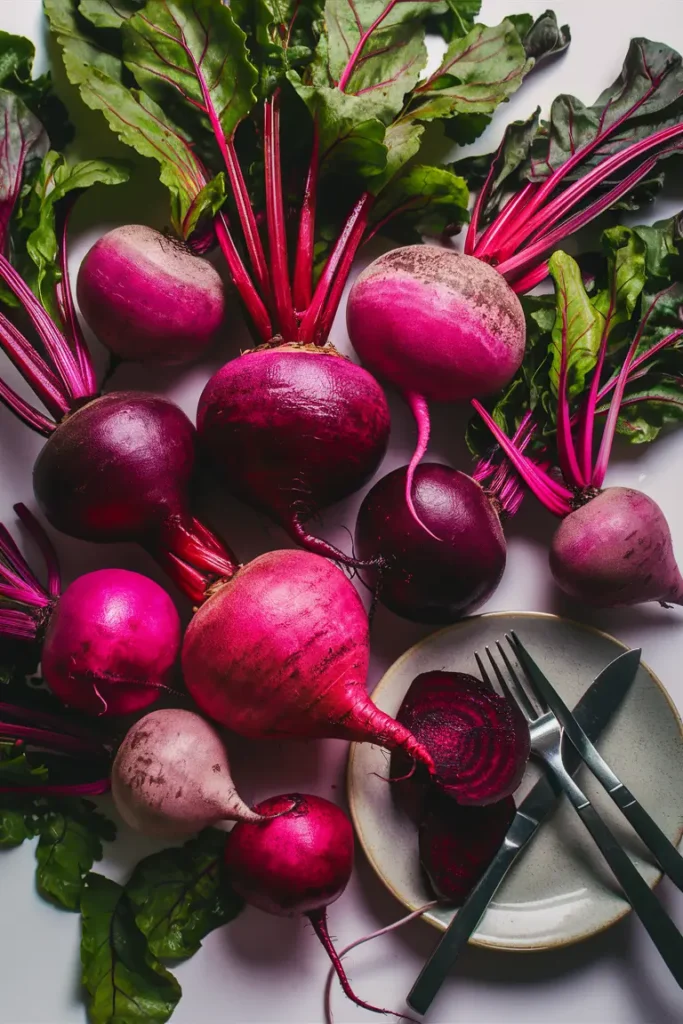
Beets are high in nitrates, which help improve blood flow and lower blood pressure. They also provide essential nutrients like folate, potassium, and vitamin C. Beets are known for their detoxifying properties and ability to support liver health. Enjoy beets roasted, steamed, or grated raw in salads for a nutrient-dense addition to your meals.
Tips for Incorporating Superfoods
- Smoothies: Blend blueberries, spinach, and Greek yogurt for a nutrient-packed smoothie. Add chia seeds or avocado for an extra boost of healthy fats and fiber.
- Salads: Add kale, quinoa, and nuts to your salads for a superfood-rich meal. Top with a sprinkle of beets and a drizzle of olive oil for added flavor and nutrition.
- Snacks: Keep a stash of dark chocolate, nuts, or Greek yogurt for healthy snacking throughout the day. These options provide a satisfying and nutritious way to curb hunger between meals.
- Meals: Incorporate sweet potatoes and salmon into your main dishes for a balanced, nutritious meal. Try roasted sweet potatoes with garlic and turmeric, or enjoy grilled salmon with a side of steamed kale.
Incorporating these superfoods into your diet can help you achieve better health and wellness. Start by adding a few of these nutrient-dense foods to your meals and gradually increase the variety. By doing so, you’ll enjoy the full benefits of these powerful superfoods and support your overall well-being.
FAQ
Do I need to eat superfoods every day?
While it’s beneficial to include superfoods in your diet regularly, the key is to maintain a balanced diet with a variety of nutrient-rich foods. Incorporating different superfoods throughout the week can help you enjoy a wide range of health benefits.
Can superfoods replace supplements?
Superfoods can provide many essential nutrients, but they shouldn’t replace prescribed supplements or medications. It’s important to consult with a healthcare provider for personalized advice, especially if you have specific health conditions or nutritional needs.
Are superfoods expensive?
Some superfoods can be pricey, but there are many affordable options available that offer similar health benefits. For example, spinach, sweet potatoes, and garlic are budget-friendly superfoods that are easy to find and incorporate into your diet.
Can superfoods help with weight loss?
Superfoods can support a healthy weight loss plan by providing essential nutrients and helping you feel full and satisfied. However, weight loss ultimately depends on maintaining a balanced diet and regular physical activity.
Are there any side effects of consuming superfoods?
Most superfoods are safe for consumption, but it’s important to eat them in moderation. Some superfoods, like nuts and garlic, may cause digestive issues or allergic reactions in certain individuals. Always listen to your body and adjust your intake as needed.