Welcome to our journey to better health through smart eating! I’ve learned how crucial it is to choose foods that boost energy and support our health. By focusing on foods that are both tasty and nutritious, I’ve seen big improvements in my energy and focus. Let’s learn how to “eat smart” together, combining nutrition with delicious meals to boost our lives.
Choosing wisely with every bite is key to eating smart. It means picking foods full of vitamins and minerals that help us stay healthy. Opting for an apple over chips or almonds over chocolate can greatly improve our health over time. Let’s start this journey and see how eating thoughtfully can change our health for the better.
Key Takeaways
- Embrace “eating smart” as a long-term investment in your health and energy levels.
- Integrate optimal health nutrition principles for better physical and mental performance.
- Make conscious choices towards energy-boosting foods to fuel both body and mind.
- Adopt smart eating habits that prioritize nutritional value without compromising taste.
- Create a foundation for nutritional wellness by understanding and applying the roles of macronutrients and micronutrients.
- Discover how superfoods can elevate your health quotient and fit conveniently into your daily routine.
- Learn to craft a balanced meal plan that synergizes taste with health benefits, aligning with your personal wellness goals.
#1. Understanding Macronutrients for Optimal Health
Exploring macronutrients changes how we see our diet. These key nutrients are vital for staying healthy and supporting our body’s functions. Let’s look at how proteins, carbohydrates, and healthy fats help our health in different ways.
The Role of Proteins in Muscle Repair and Growth
Proteins are key for fixing and building muscles. Their amino acids help build muscle tissue. This helps with recovery after exercise and growing new muscle fibers. Eating enough protein is great for staying strong and maintaining muscle, especially if you’re active.
Carbohydrates as Your Body’s Main Energy Source
Carbohydrates keep your energy up all day. They turn into glucose, which fuels your brain and muscles. Choosing whole grains and fibers over simple sugars helps keep your energy steady. This avoids the energy dips from sugar spikes.
The Importance of Healthy Fats for Brain Function
Healthy fats are crucial for brain health. They include omega-3 and omega-6 fatty acids. These fats support brain function and cell structure. Adding healthy fats to your diet boosts brain and emotional health, showing their importance.
Knowing how to balance proteins, carbohydrates, and fats leads to better health and more energy. It makes for a more active and productive life.
#2. The Power of Vitamins and Minerals in Everyday Wellness
I’ve learned how important micronutrients like vitamins and minerals are for staying healthy. They help keep our immune system strong and support our overall health. Let’s see how adding these nutrients can change our daily lives.
- Dietary vitamins like Vitamin C, D, and E help boost our immune system. They keep infections away by making our skin stronger and our immune cells work better.
- Minerals like zinc, selenium, and iron are key for fighting infections and healing wounds. They also help with normal growth.
- Calcium and magnesium are important for strong bones. They also help with nerve signals and muscle movements, which we need for everyday activities.
- Potassium and sodium keep our body’s electrolyte balance right. This is key for staying hydrated, which is important for cell function and energy.
Many foods have these important nutrients, but how well our bodies use them can vary. For example, iron from spinach is harder to absorb than iron from red meat. Knowing this helps us get the right amount of these nutrients.
My journey to better health focuses on eating a variety of foods with lots of vitamins and minerals. By eating a balanced diet, I’m not just eating. I’m feeding my body and keeping it strong against sickness. This shows that our health starts with what we eat.
#3. Superfoods: What Are They and Why Include Them in Your Diet?
I’ve found that adding superfoods to your meals can really boost your health. These foods are full of antioxidants, vitamins, and minerals. They help you stay healthy in many ways. Let’s look at some examples and see how they can improve your health.
Antioxidant-Rich Berries and Seeds
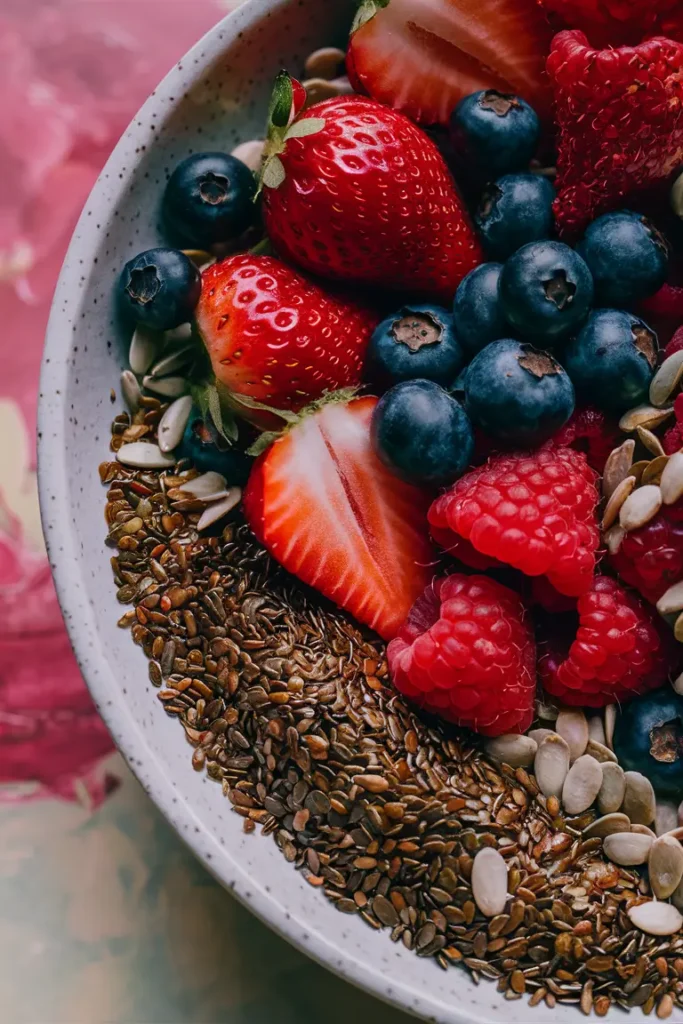
Berries like blueberries and seeds such as chia are key superfoods. They’re packed with antioxidants that fight off harmful stress and may lower disease risk. Eating different berries is a great way to get more antioxidants. Seeds like flaxseeds and chia seeds also have antioxidants, fiber, and omega-3 fatty acids.
The Benefits of Leafy Greens and Cruciferous Vegetables
Leafy greens like spinach, kale, and Swiss chard are full of vitamins A, C, K, and folate. They help with digestion and boost your nutrient levels. Cruciferous vegetables like broccoli and Brussels sprouts are also good for you. They have compounds that may lower cancer risk. Adding these veggies to your meals makes your food taste better and is good for your health.
Learn more about healthy superfoods and how they can fill nutrient gaps in your diet. By eating a variety of these powerful foods, you’re taking a big step towards better health and energy.
#4. Hydration: The Unsung Hero of a Nutritious Diet
Exploring a healthful diet, we must focus on the importance of hydration. Many forget how crucial staying hydrated is for our health. Water is not just a drink; it’s key for our body’s daily needs.
When we talk about water for health, it’s not just about avoiding dehydration. It’s about how water helps control body temperature, keeps joints lubricated, and moves nutrients to cells. Every drink helps our body work better and more efficiently.
- Drinking enough water boosts energy, making daily tasks easier without feeling tired.
- Good hydration also improves brain functions, helping with focus and memory.
- It can help with weight management by aiding metabolic processes and reducing overeating.
Drinking water regularly is more than a health tip; it’s a key to better well-being. By drinking enough water every day, we protect our health. This ensures every cell in our body works its best.
#5. Plant-Based Proteins: A Smart Choice for Sustainable Eating
Exploring sustainable and health-conscious eating, I’ve discovered the benefits of plant-based protein. It supports my health and fits a sustainable diet. For fitness lovers, environmentalists, or those looking for nutritious food, learning about nuts and legumes, soy products, and whole grains can change your eating habits.
Nuts and Legumes: More Than Just Protein

Nuts and legumes are more powerful than you might think. They’re full of protein and offer many health benefits. They’re high in fiber, which helps with digestion, and packed with iron, magnesium, and zinc. You can use them in many dishes, like salads, soups, or as a base for plant-based burgers.
Soy Products and Whole Grains for Complete Amino Acids
Soy products and whole grains are key for a balanced amino acid intake in a plant-based diet. Adding soy products like tofu, tempeh, and soy milk to your meals gives you all the amino acids you need. Whole grains are also great for heart health and weight management. Adding these to your diet means you’re looking after your health and the planet.
Learn more about the benefits and uses of plant-based protein. See how they make your meals better and help our planet.
#6. Crafting a Balanced Meal Plan
Finding the right balance in meal planning has changed my life. It’s not just about picking the best foods. It’s about making meals that are good for you and taste great. Here are some tips that have made eating healthier easier for me.
- Start with Staples: Every meal should have lean proteins, whole grains, and lots of veggies. This mix gives you all the nutrients you need.
- Color Your Plate: I try to make my meals colorful. Each color means different nutrients, making my meals more nutritious.
- Keep Hydration in Check: Drinking enough water is key. It helps with digestion and keeps you healthy. I always carry a water bottle.
- Adjust Portions Accordingly: Your activity level affects how much you should eat. Pay attention to when you’re hungry or full to avoid eating too much.
These changes have made me feel better and kept my energy up all day. If you’re starting out, try adding one new habit each week. Remember, finding the right meal plan is a personal thing. It’s about what fits your life and body best.
#7. Smart Snacking: Choosing Nutrient-Dense Options Over Empty Calories
Smart snacking is key to keeping your energy up and staying healthy. Choosing snacks that are full of nutrients means every snack helps you meet your health goals. It’s all about eating mindfully, thinking about what and how much you eat, and how it affects your body.
How to Snack Mindfully for Energy and Focus
Mindful eating helps your body and boosts your focus and productivity. Here’s how to do it:
- Pick snacks like fruits, nuts, and seeds that are full of vitamins and minerals.
- Ask yourself if you’re really hungry or just eating out of boredom.
- Eat slowly and enjoy each bite to let your brain know you’re full.
- Plan your snacks to avoid making unhealthy choices on a whim.
Readily Available Whole Food Snacks
It’s easy to find healthy snacks for a busy life. Here are some easy-to-make and nutritious options:
- A handful of almonds or walnuts for healthy fats and proteins.
- Fresh or dried fruits like apples, bananas, or dates for a quick energy boost.
- Vegetable sticks with hummus for a tasty and filling snack.
- A homemade smoothie with Greek yogurt, berries, and a bit of honey or maple syrup.
For more tips on choosing healthy snacks, check out some great advice here.
#8. Meal Timing and Frequency: How They Affect Your Nutritional Intake
Exploring healthy eating habits has shown me how crucial meal timing and eating frequency are. It’s not just about what we eat but also when and how often. This greatly affects our health and wellness.
Learning about the metabolic impact of meal timing has changed my daily life. Research, including a recent study from here, shows that eating at certain times can boost energy, improve digestion, and help with weight control.
- Time-restricted feeding showed me how eating within a specific window can work with my body’s natural rhythms.
- Stopping late-night snacks and heavy meals has cut down on bloating and discomfort. This has also improved my sleep and morning energy.
Increasing eating frequency can also raise questions about snack quality and daily calories. I’ve found that it’s not just about eating more often. It’s about choosing snacks that give long-lasting energy, not just quick energy followed by a drop.
- Small, regular meals keep my blood sugar steady, which helps with energy and mood all day.
- Planning my meals helps me avoid unhealthy choices when I’m really hungry.
Changing how we eat can greatly improve our health. Whether it’s picking the best times to eat or figuring out how often, these choices are key to a healthier life. By focusing on what and when we eat, we can boost our metabolism and improve our health and happiness.
Conclusion
Our journey into dietary wellness and healthy living has shown us a lot. We’ve learned how our bodies work with the food we eat. This knowledge helps us eat well and feel good.
We’ve seen how important macronutrients, vitamins, minerals, superfoods, and staying hydrated are. These elements have changed how I see eating. Now, I focus on eating mindfully.
Choosing plant-based proteins and smart snacks has taught me a lot. It showed me that eating a variety of foods is key to a healthy diet. Learning about when and how often to eat has also been eye-opening.
It made me realize how our eating habits affect our health. I want to keep making meals that are good for me. I aim for every meal to help me stay healthy.
As we finish, it’s clear that our food choices show our commitment to health. I hope these tips inspire you to make better food choices. Let’s keep learning and enjoying the best foods for our health and well-being.
FAQ
How can I improve my overall health through nutrition?
Eat foods rich in nutrients like fruits, veggies, lean proteins, and whole grains. Add foods that boost your energy to keep it up. Also, eat smart to stay healthy.
What role do macronutrients play in my diet?
Macronutrients like proteins, carbs, and fats are key for your body. Proteins help fix and grow muscles. Carbs give you energy, and fats are good for your brain and health. Getting the right balance is important.
Why are vitamins and minerals important in my diet?
Vitamins and minerals help your body work right. They support your immune system, help repair cells, and keep your metabolism and brain working well. Eating them daily is important for your health.
What are superfoods and why should they be part of my diet?
Superfoods are foods packed with nutrients that are good for you. Eating foods like berries, seeds, greens, and cruciferous veggies boosts your health. They can lower the risk of chronic diseases and make you healthier.
How important is hydration in my nutritional regime?
Drinking enough water is crucial for your body. It helps with temperature control, joint health, and moving nutrients around. Being well-hydrated boosts your energy, brain function, and helps with weight control.
Are plant-based proteins a good option for my diet?
Yes, plant-based proteins like nuts, beans, soy, and grains are great. They give you protein and all the amino acids your body needs. They’re a healthy choice for your diet.
How can I create a balanced meal plan?
To make a balanced meal plan, mix different nutrient-rich meals. Think about your needs and likes. Make sure each meal has the nutrients you need for good health.
What does smart snacking entail?
Smart snacking means picking snacks that are full of nutrients, not just empty calories. Choose snacks that keep you energized and focused. Whole food snacks are best for your nutrition.
Does meal timing and frequency affect my nutritional intake?
Yes, when and how often you eat affects your nutrition and metabolism. Adjust your eating schedule to fit your life and health goals. This helps keep your energy steady all day.