
Weight loss for women requires a special approach. It must consider their unique biology and lifestyle. Many people struggle with the same issues, misled by false information. I aim to clear up confusion with expert advice on fat loss for women.
I’ve noticed common mistakes that stop women from reaching their weight loss goals. I want to show you a realistic way to lose weight. This method avoids quick fixes and focuses on lasting changes.
Key Takeaways
- Understand the unique biological factors influencing weight loss for women.
- Avoid common fat loss strategies that promote misinformation.
- Learn to navigate female weight loss tips that cater to sustainable lifestyle changes.
- Recognize that knowing what not to do is as important as knowing what to do.
- Prepare for a discussion offering expert advice on overcoming specific weight loss barriers faced by women.
- Develop an approach to fat loss that aligns with women’s health and wellness goals.
Understanding the Basics of Fat Loss for Women
Starting a fat loss journey can feel daunting, but knowing the basics about female metabolism and hormonal balance can make it easier. We’ll look at these key elements to see how they affect fat loss in women.
The Role of Hormones in Female Weight Management
Hormones are key in controlling female metabolism and weight. Estrogen and progesterone affect how women store fat and manage weight changes. These hormones change a lot during life stages like puberty, pregnancy, and menopause, affecting metabolism and fat storage. So, balancing hormones is crucial for managing weight well.
Energy Balance: Calories In vs. Calories Out
Energy balance is vital for losing fat, but it’s more complex for women. To lose weight and keep hormonal balance, women should eat fewer calories but not too few. This helps avoid harming metabolism and hormonal balance.
Macronutrients and Their Effect on Body Composition
Macronutrients like protein, fats, and carbohydrates are important for body shape. Protein helps fix and grow muscles, which can increase metabolism. Fats are key for making hormones and keeping cells healthy. Carbs give energy for daily life and exercise. Getting these nutrients right can help lose fat while keeping muscle, improving body shape.
| Nutrient | Function | Impact on Fat Loss |
|---|---|---|
| Protein | Supports muscle repair and growth | Increases metabolic rate, aids in body recomposition |
| Fats | Supports hormone production, aids cellular health | Essential for optimal hormonal health, which regulates fat storage |
| Carbohydrates | Provides energy | Supports energy levels for effective workouts, crucial for burning calories |
Understanding these key points about fat loss for women helps you tackle weight management challenges. It sets a strong base for lasting wellness and a healthier life.
The Myth of Spot Reduction and Its Impact
The idea that you can lose fat in specific areas by exercising them is a common myth. Many people believe this, but science says it’s not true. It’s not possible to lose fat just by working out certain parts of your body.
Why Targeted Fat Loss Doesn’t Work
Fat loss happens all over the body, not just where you exercise. It depends on your genes, not how much you work out. So, doing lots of crunches won’t help you lose belly fat.
Effective Strategies for Full-Body Fat Loss
Instead of focusing on specific exercises, try full-body workouts for better fat loss. These workouts work many muscle groups at once. This not only burns more calories but also builds muscle and increases your metabolism.
This approach helps you lose fat all over your body. It’s a healthier way to look and feel better.
Navigating Fat Loss Plateaus
When I started managing my weight, hitting a fat loss plateau was tough. Overcoming weight loss plateau needs understanding and a good plan. After making progress, your body might stop losing weight, even if you’re very dedicated. This is common in fat loss challenges, but you can get past it with the right methods.
Plateaus happen because your body gets better at saving energy at your new weight. This means your metabolism slows down as you lose weight. To beat plateau solutions, change your workout and diet to boost your metabolism and keep losing weight.
Here’s a table I made from my own experiences and changes I made to get past my plateau:
| Strategy | Original Plan | Adaptation | Outcome |
|---|---|---|---|
| Diet Adjustment | Moderate Carb, High Protein | Low Carb, High Protein, Increased Fiber | Enhanced fat loss, improved digestion |
| Exercise Routines | Mixed Cardio | High-Intensity Interval Training | Increased calorie burn, higher post-exercise oxygen consumption |
| Caloric Intake | 1500 kcal/day | 1300 kcal/day with one refeed day per week | Consistent fat loss without extreme deprivation |
It was tough to hit a plateau, but changing my approach was key to overcoming weight loss plateau. Mixing up my workouts and adjusting calories helped me break through the plateau. It also made my fitness journey more exciting and kept me motivated. Let’s not let fat loss challenges stop us. With the right plateau solutions, we can keep moving towards our fitness goals.
The Importance of Strength Training in Fat Loss
Looking to lose unwanted body fat? Strength training, especially weight lifting for women, is key. It helps shape a leaner body and boosts your metabolism, making it easier to burn fat.
How Muscle Mass Influences Metabolic Rate
Building muscle through strength training like weight lifting is crucial for a metabolism boost. The more muscle you have, the higher your resting metabolic rate. This means you burn more calories even when you’re not moving.
Resistance Training vs. Cardio for Fat Loss
Cardio is great for your heart, but resistance training is vital for losing fat. Weight lifting for women helps build muscle and boosts metabolism. It ensures you burn calories from fat, not just other sources. This balanced approach focuses on fat-burning workouts and improving muscle strength and endurance.
4 Fat Loss Mistakes Most Women Make
Many women make mistakes when trying to lose fat. These mistakes can slow down their progress. It’s key to know these mistakes to improve your fat loss efforts.
#1. Overlooking the Quality of Calories
Not all calories are the same. The calorie quality is crucial for losing fat. Foods that are packed with nutrients help your body work better. They also help control hunger, boost metabolism, and reduce cravings.
#2. Falling for Fad Diets and Quick Fixes
Fad diets promise quick results but often lead to problems. These include yo-yo dieting and a slower metabolism. Focus on eating habits that support your health and fat loss over time.
#3. Ignoring the Importance of Sleep and Recovery
Good sleep and fat loss go hand in hand. Not sleeping enough can hurt your efforts by messing with hormone levels, making you hungrier, and lowering your energy. Getting enough sleep is key to losing weight.
#4. Underestimating the Impact of Stress on Weight
Stress is often ignored but is key to losing fat. High stress can lead to eating more and storing fat, especially around the belly. Using stress-reduction methods is as important as diet and exercise for losing weight.
| Mistake | Consequences | Strategies for Improvement |
|---|---|---|
| Poor Calorie Quality | Higher cravings, slower metabolism | Focus on nutrient-dense foods |
| Fad Diets | Metabolic impairment, weight regain | Adopt sustainable eating habits |
| Lack of Sleep | Increase in appetite, decreased energy | Establish a regular sleep routine |
| High Stress Levels | Emotional eating, increased abdominal fat | Apply regular stress-relief methods |
The Role of Consistency Over Perfection
On the path to losing fat, focus on consistent weight loss habits more than perfect dieting. Aim for an ideal diet or workout can lead to mental traps that stop long-term success. Being consistent lets you adjust to your life and helps you stay healthy over time.
Many get caught in the trap of wanting everything to be perfect, worrying about every calorie and nutrient. This can make you feel frustrated and give up. To avoid this, build habits that balance eating and exercise. This leads to better sustainable fat loss results. Let’s look at some ways to be consistent without aiming for perfection.
| Consistency Strategy | Benefits |
|---|---|
| Set realistic daily goals | Builds habit without overwhelming |
| Flexible meal planning | Adapts to daily life changes, reducing diet stress |
| Weekly reflection sessions | Encourages adjustments and acknowledges progress |
| Reward achievements non-food related | Supports psychological motivation, enhances personal growth |
Using these strategies daily builds a solid base of consistent weight loss habits. These habits don’t need perfection but encourage ongoing betterment. This balance is easier to keep and likely leads to lasting fat loss and a happier, healthier life.
Sustainable Eating Habits vs. Restrictive Diets
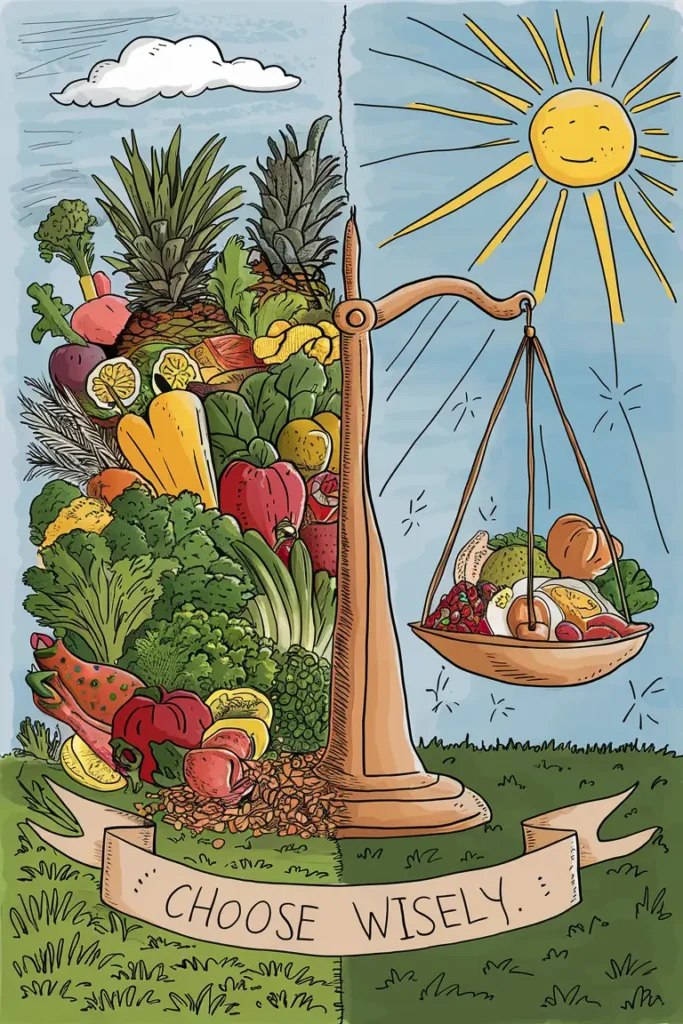
When trying to lose fat, how we eat is key. I’ve learned that avoiding restrictive diets helps build a better food relationship. It also leads to lasting success. Instead, balanced eating for fat loss offers a lasting and fun way to eat.
Finding Balance in Your Diet
It’s crucial to find a balance that doesn’t feel restrictive but still meets your nutritional needs. This means creating a diet plan with lots of nutrient-dense foods. These foods help you feel full and support your health without the stress of strict dieting. A balanced diet for losing fat should include many vegetables, lean proteins, and healthy fats. These foods keep your energy up and help your metabolism.
Understanding the Importance of Nutrient Density
Eating isn’t just about controlling calories; it’s also about the nutrients in your food. Foods high in nutrients give you more vitamins, minerals, and other good stuff for fewer calories. They’re perfect for losing fat in a healthy way. With each meal, you’re feeding your body well and moving closer to your fat loss goals.
Avoiding Common Workout Mistakes
Starting a fitness journey means you need good workout planning to dodge common fitness mistakes. Picking the right exercises should match your goals and fit your fitness level and likes. This keeps you interested and lowers injury risks.
#1. Choosing the Right Exercise Routine for Your Goals
Knowing what your body can and can’t do is key to planning your workouts. A routine that’s too hard or not right for your goals can make you give up or even harm your health. Making your workout plan fit your needs boosts your physical growth and keeps you excited.
#2. The Pitfalls of Overtraining and Neglecting Rest
Many new exercisers make the big mistake of overtraining. This can show up as constant muscle pain, feeling too tired, and doing worse in workouts. It’s important to know the importance of rest days. These days help your body recover and your muscles grow, leading to better results and a longer fitness journey.
Expert Tips to Overcome Mental Barriers
Starting a weight loss journey can feel tough, especially with mental blocks to weight loss. To beat these hurdles, set realistic fitness goals that are easy to reach. These goals help keep you motivated and prevent feeling overwhelmed.
Setting Realistic Goals and Expectations
Many people get discouraged by high hopes for fitness that don’t match reality. Remember, losing weight takes time. Setting goals that are too high can lead to frustration and giving up. I set realistic fitness goals by focusing on small steps forward. This could be getting stronger, lasting longer, or just keeping up with exercise. Celebrating these small wins helps you see progress and stay motivated.
Developing a Positive Mindset Towards Fitness
Keeping a positive attitude in fitness is key to getting past mental hurdles. A positive mindset boosts your drive and helps you bounce back when things get tough. I suggest talking kindly to yourself and celebrating every step forward, no matter how small. Focus on your health journey, not just the number on the scale.
For more tips on avoiding common weight loss mistakes, check out this guide. It offers practical advice and insights from health experts.
| Goal Type | Benefits | Examples |
|---|---|---|
| Short-term | Quick motivation boost, easier to achieve | Workout 3 times a week, no sugar for a month |
| Mid-term | Builds habits, shows progress | Increase daily walk by 15 minutes, add 2 lbs to lifting routine |
| Long-term | Sustainable change, significant health improvements | Lose 15 lbs in 6 months, run a 5K |
Conclusion
In this article, we looked at the key points for a successful fat loss journey for women. We covered the basics like hormones and balancing energy intake and output. We also talked about avoiding fad diets and the importance of strength training and good eating habits.
Getting healthy is more about making lasting habits than quick fixes. By following tips like getting enough sleep, managing stress, and valuing strength over perfection, we can change our health for the better. With long-term success strategies, we aim for a positive mindset that helps us on our journey.
As we wrap up, think about how these insights match your own experiences. It’s about making a lifestyle that’s good for you, covering physical, mental, and emotional health. Use what you’ve learned to improve your life. The path to overall well-being is close, and it begins with using the tools you’ve found for losing fat successfully.
Table of Contents
FAQ
What are some common fat loss mistakes women make?
Women often focus too much on how many calories they burn, not the quality. They also chase quick fixes and fad diets. They ignore the role of sleep and recovery. And they underestimate how stress affects their weight.
How do hormones affect weight management in women?
Hormones like estrogen and progesterone play a big role in women’s metabolism and weight. They can change how much you eat, where fat is stored, and even how much muscle you have.
Can I target fat loss in specific areas of my body?
No, spot reduction is a myth. Fat loss happens all over the body, not just in one spot. It’s better to focus on full-body workouts and a complete approach to losing fat, not just trying to lose it from certain areas.
What should I do when I hit a fat loss plateau?
If you hit a plateau, check your habits. Maybe change your workout routine, make sure you’re still eating fewer calories, and manage your stress and sleep better. Making small changes can help you break through the plateau.
Why is strength training important for fat loss in women?
Strength training is key because it builds muscle, raises your metabolism, and helps with fat loss. Adding resistance training to your cardio routine can make your fat loss efforts more effective.
How does stress affect my weight loss efforts?
Stress can change your hormones, making you want to eat more unhealthy foods and store fat, especially around your belly. Taking care of yourself and relaxing is important for managing your weight.
Why should I focus on consistency over perfection in my fat loss journey?
Going for consistency in healthy habits is more doable and leads to lasting success. It also lets you be flexible when needed. Aim for steady progress instead of expecting perfection to avoid getting discouraged.
What is the downside to restrictive diets, and what should I do instead?
Restrictive diets often don’t last and can lead to yo-yo dieting. Instead, focus on eating nutrient-rich foods and finding a balance that makes you happy. This approach is more likely to be sustainable.
How do I choose the right exercise routine for my fat loss goals?
Think about your fitness level, what you like, and what you want to achieve. Mixing cardio with strength training works well. Adjust your workouts as you get better. If you need help, talk to a fitness expert.
What are some expert tips for overcoming mental barriers in fitness?
Start by setting achievable goals that excite you. Celebrate your small wins and focus on your progress, not setbacks. See fitness as a way to improve yourself, not just for looks or weight.


