
As someone deeply invested in the journey to well-being, I’ve seen many nutrition pitfalls. These can easily lead us away from our health goals. It’s important to know the dieting errors we might make, even if they seem harmless.
Healthy eating is more than just eating salads sometimes. It’s about being aware of the small mistakes we make daily. Today, I’ll share insights to help you avoid these diet mistakes. Let’s work together towards sustainable health, avoiding the common pitfalls.
Your journey to wellness is a marathon, not a sprint. Avoiding these diet mistakes is a key step towards success. I’m here to guide you through the confusing information to clear dietary truths.
Key Takeaways
- Illumination of frequent nutrition pitfalls hindering wellness.
- Insight on how to side-step dieting errors for better health outcomes.
- Strategies to foster healthy eating habits for long-term benefits.
- Understanding the often-overlooked weight loss mistakes in everyday choices.
- Encouragement to persevere in pursuit of sustainable weight loss and well-being.
#1. Understanding the Basics of a Balanced Diet

Starting a healthier lifestyle begins with learning about a balanced diet. This knowledge helps our bodies work well and helps us reach health goals. By understanding macronutrients, micronutrients, and how to control portions, we can eat in a way that keeps us healthy and full of energy.
The Importance of Macronutrients
Macronutrients like proteins, fats, and carbohydrates are key to a balanced diet. Proteins help fix and grow muscles, fats give us energy and help us absorb vitamins. Carbs give us the energy we need for the day. Each one is important and must be eaten in the right amounts for good health and body function.
Checking how much we eat of each helps make sure we get the right amount. This keeps our diet balanced.
Role of Micronutrients in Your Health
Even though macronutrients are well-known, micronutrients like vitamins and minerals are just as crucial. They help with things like bone health, seeing well, and fighting off sickness. Not getting enough of these can lead to health problems.
Eating a variety of foods makes sure we get all the micronutrients we need for good health.
How Portion Sizes Impact Your Goals
Controlling how much we eat is key to a balanced diet and managing weight. It’s easy to eat too much, even healthy foods, which can lead to gaining weight. Knowing and sticking to recommended portion sizes is important for staying on track with our health and diet goals.
Using smaller plates or measuring our food can really help us eat the right amount. This keeps our diet healthy and supports our goals.
#2. Skipping Meals: A Common Misconception
Many people think skipping meals is a quick way to lose weight. But, it’s not as simple as it seems. Skipping meals without a plan can mess up your metabolism and lead to unwanted results.
Intermittent fasting is different. It involves eating and fasting at specific times. This can help improve your metabolic health. But, skipping meals without a plan can cause problems with blood sugar and slow down your metabolism.
This can make your body think it’s starving. It will then slow down your metabolism to save energy. This is the opposite of what you want if you’re trying to lose weight.
Also, skipping meals can lead to eating too much later on. This can cancel out any weight loss progress. It can also start a cycle of eating irregularly. Being consistent is important for any diet plan.
To avoid diet mistakes and support your health goals, check out more about balanced diets.
In conclusion, skipping meals might seem like an easy way to lose weight. But, it can harm your metabolic health and lead to binge eating. Intermittent fasting offers a structured approach that can help with metabolic balance and weight management.
#3. Common Diet Mistakes
Living a healthier lifestyle means paying attention to the details. Let me guide you through some common mistakes that might slow you down. I’ll also show you how to easily avoid them.
Overlooking Nutrition Labels
Many people forget the importance of reading food labels. These labels are key because they show the nutrition facts. They help you make smart food choices.
For example, labels can show high sugars, unhealthy fats, or too much sodium in foods that seem healthy.
Ignoring Hydration Needs
Not drinking enough water is another big mistake. Drinking enough water is important for many body functions. It helps with digestion and getting nutrients from food.
It’s a simple but key step to boost your metabolism and help with weight control.
Failing to Plan Meals
Not planning your meals can lead to bad eating habits and making quick, unhealthy choices. Planning your meals for the week is a smart move. It keeps you on track with healthy eating.
It helps with balanced meals, controlling how much you eat, and cutting down on snacks.
#4. The Fad Diet Trap: Why Quick Fixes Don’t Work
I’ve seen many fad diets that promise quick weight loss. But, these diets don’t work well for keeping weight off. They lead to fast weight loss, which looks good but doesn’t last. This quick loss hides the health risks of making big changes to your diet.
Fad diets often miss important nutrients. They replace balanced meals with foods that focus on one thing. This leads to losing weight that doesn’t stay off. It also brings risks like not getting enough nutrients and harming your metabolism. This shows these diets are more about tricks than real health gains.
I believe in sustainable dieting for lasting results. Making small changes over time works better than quick fixes. By making slow changes, I’ve seen steady weight loss and better health.
Learn why fad diets aren’t good by reading this insightful article. It shows that lasting weight loss comes from eating well over time, not quick fixes.
#5. Misunderstanding Healthy Fats
In my journey to understand dietary fat impact, I’ve learned that not all fats are created equal. It’s crucial to know the difference between healthy and unhealthy fats for a balanced diet. Let me simplify this complex topic to help you make better nutritional choices.
Different Types of Fats Explained
Fats are divided into four main types: saturated, unsaturated, trans fats, and omega fatty acids. Saturated fats, like those in butter and lard, can raise cholesterol and increase heart disease risk if eaten too much. On the other hand, unsaturated fats in olive oil and fish help the heart and help absorb vitamins.
Omega fatty acids are vital but our bodies can’t make them. Trans fats, made in labs, are found in many baked goods and are bad for the heart. They should be avoided.
The Impact of Fats on Your Diet
Knowing about dietary fat impact means more than just avoiding bad fats. It’s about finding the right balance. Healthy fats support cell growth, hormone production, and nutrient absorption. It’s key to cut down on unhealthy fats to avoid health problems like high bad cholesterol and poor heart health.
By eating more unsaturated and omega fatty acids, you can greatly improve your health and well-being.
#6. Underestimating the Impact of Liquid Calories
When I started my health journey, I focused a lot on food, counting every calorie from solid meals. But I ignored the liquid part of my diet. It wasn’t until I saw how sugary drinks and alcohol were hurting my health goals that I realized their true impact. Now, I know managing calories means watching what you drink too.
Sugary drinks are a big problem for anyone trying to eat well. A single soda can have over 150 calories, all from sugar. This can add up quickly. Alcohol is the same, with a few drinks at night adding hundreds of calories. These drinks don’t give you much nutrition and just add calories.
Switching to healthier drinks can make a big difference. Drinking water, green tea, or sparkling water with lemon can cut down your calorie intake. Learning about the calories in drinks helps you make better diet choices. Knowing the facts helps you stick to your health goals.
#7. High-Protein Diets: Myths and Facts
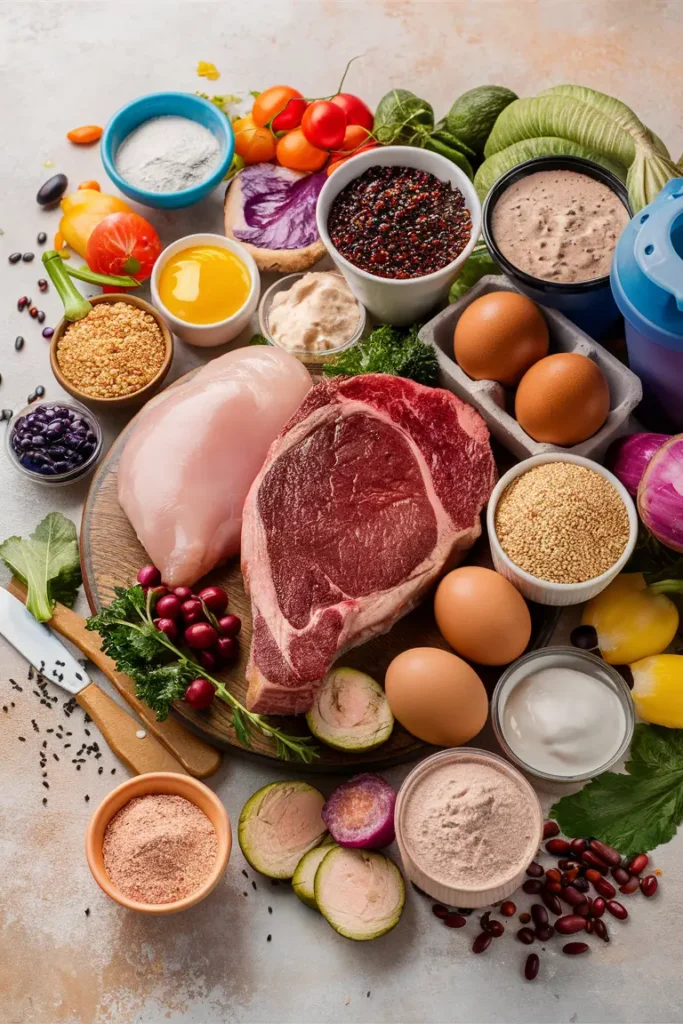
The high-protein diet is often talked about for weight management. It’s key to know the truth from the myths. We should base our knowledge on science, not just hopes.
The Role of Protein in Weight Loss
Protein is key for losing weight because it helps us feel full, cuts down hunger, and boosts metabolism. Adding enough protein to our meals helps control hunger and stops us from eating too much. This isn’t just about eating more meat. There are many protein sources that fit different diets and tastes.
How Much Protein Is Too Much?
Too much protein can be harmful, especially for those with kidney issues. Health experts suggest that protein should be a part of a balanced diet, about 15-30% of total calories. It’s important to find the right balance and remember, more isn’t always better.
#8. The Consequences of Yo-Yo Dieting
Many of us have been in the cycle of yo-yo dieting. Our weight goes up and down as we diet and then gain it back. This pattern hurts not just our health, but also our mental well-being.
Understanding Metabolic Slowdown
Looking into the metabolic effects of yo-yo dieting shows it slows down our metabolism. Losing and gaining weight over and over again tricks our body. It starts to store fat more and use less energy. This makes losing weight harder, even if we eat less.
Psychological Effects of Repeated Dieting
Yo-yo dieting affects our minds and feelings too. Each cycle can make us feel bad about ourselves. It can make us doubt our ability to manage our weight. It also changes how we see food, making us feel guilty instead of nourished. This can lead to unhealthy eating habits.
Conclusion
We’ve looked at dieting and found some key points. We talked about avoiding meal skipping and fad diets. We also looked at the importance of fats and the wrong ideas about high-protein diets.
We saw how liquid calories can sneak up on us and the dangers of yo-yo dieting. But what does this mean for diet success? It shows the value of developing healthy habits. It also shows that everyone’s nutritional needs are different.
My own journey shows how crucial personalized nutrition is. Listening to our bodies and making informed eating choices is key. It’s about making changes that last, not quick fixes.
As we end this discussion, I urge you to focus on your own health goals. Make eating habits that fit your life. Choose a variety of nutritious foods and avoid quick fixes. This way, you can lead a healthier, happier life. Success is more than just a number; it’s about feeling good from what we eat every day.
FAQ
What are some common dieting errors I should avoid?
Don’t skip meals thinking it will help you lose weight. Also, don’t ignore nutrition labels and forget to drink enough water. Avoid fad diets that promise quick results but aren’t sustainable. Aim for a balanced diet and healthy eating habits for lasting weight loss and health.
How important are macronutrients and micronutrients in my diet?
They are very important! Macronutrients like proteins, fats, and carbs give you energy and help your body work right. Micronutrients, or vitamins and minerals, keep you healthy and prevent deficiencies. Getting the right balance is key for a healthy diet.
Can skipping meals help me lose weight?
Skipping meals might seem like a way to lose weight, but it can actually slow down your metabolism. It can make you hungrier and lead to eating more later. Intermittent fasting is different and should be done carefully with guidance.
Why should I pay attention to nutrition labels?
Nutrition labels tell you what’s in your food. They show calories, nutrients, and ingredients. This helps you avoid bad fats, sugars, and additives. It lets you make better food choices.
What is the impact of hydration on my diet?
Drinking enough water is crucial for your metabolism and helps you feel full. It keeps your body working right and stops you from mistaking thirst for hunger.
How does failing to plan meals affect my diet?
Without planning, you might eat impulsively, which can be unhealthy. Planning helps you stick to healthy foods and avoid bad choices. It keeps you from eating junk food by mistake.
What’s wrong with following fad diets?
Fad diets don’t offer lasting solutions and can be harmful. They might make you lose weight quickly, but they’re not good for your health. Focus on building healthy habits that you can keep up for life.
What should I know about the fats in my diet?
Know the difference between good and bad fats. Good fats are in nuts, avocados, and olive oil. Bad fats, like trans fats, are bad for you. Eating too much of the wrong fats can hurt your health.
Are liquid calories really a big deal in my overall diet?
Yes, drinks like sugary soda and alcohol add a lot of calories. They don’t make you feel as full as solid food. Choosing drinks with fewer calories is a healthier choice.
What should I consider when consuming a high-protein diet?
Protein is important for losing weight and keeping muscles strong. But don’t eat too much of it. Follow dietary guidelines and think about your health needs to find the right amount for you.
How does yo-yo dieting affect my metabolism and psychological health?
Yo-yo dieting slows down your metabolism and makes losing weight harder over time. It can also hurt your mental health and how you see yourself. Try to manage your weight in a steady, healthy way instead.


